Florida heat has a special way of exposing weak spots. A car that feels fine in mild weather can suddenly struggle in traffic, run hotter than usual, or blow warm air from the vents when you need cold air most. Humidity adds another layer because it makes systems work harder, especially cooling and A/C.
The good news is that most heat-related breakdowns are preventable. They usually come from small maintenance items that were easy to ignore until summer made them impossible to ignore.
A little preparation goes a long way in Florida.
Why Heat And Humidity Cause Breakdowns Faster
Heat speeds up wear. Fluids break down faster, rubber hoses and seals harden, and batteries get stressed by constant under-hood temperature. When you combine that with stop-and-go driving, the cooling system has to work overtime with less airflow.
Humidity can also show up in electrical connections. Corrosion can build up in places you do not see, leading to odd start-up issues, sensor faults, or intermittent warning lights. None of this is meant to scare you, it is just the reality of what summer does to vehicles.
If something is borderline, summer tends to make it obvious.
Cooling System Checks That Prevent Overheating
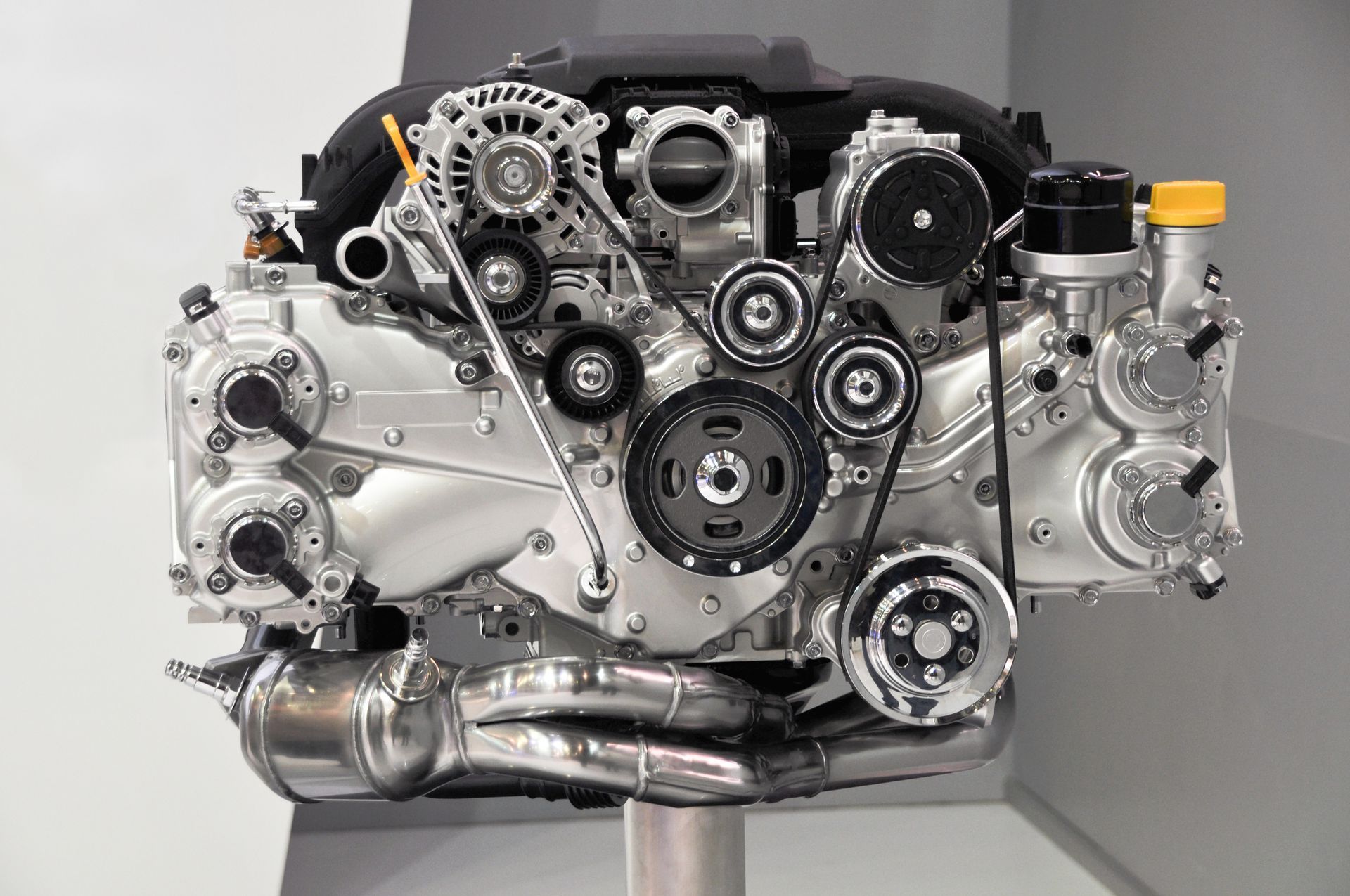
Overheating is one of the fastest ways to turn a normal day into a tow. The cooling system is more than the coolant level. It’s the radiator, fans, thermostat, water pump, hoses, and the pressure cap all working together.
Look for early clues. A sweet smell after a drive, a small crusty spot near a hose connection, or coolant level that drops slowly are signs to address. If the cooling fans are weak or not running properly, the engine may run fine on the highway and then heat up in traffic, which is a common Florida pattern.
Simple steps that help prevent overheating include:
- Check coolant level when the engine is cool, and watch for a slow drop.
- Inspect hoses for swelling, soft spots, or crusty residue near clamps.
- Pay attention to temperature changes in stop-and-go traffic.
- Make sure the radiator and condenser are not packed with bugs and debris.
- If the heater suddenly blows cooler air than normal, consider a cooling check.
Cooling problems rarely fix themselves, and heat makes them worse fast.
Battery And Charging System: Summer Is Hard On Both
People associate battery problems with winter, but Florida's heat is brutal on batteries. High temperatures speed up internal chemical wear and can shorten battery life. A battery that is borderline may start fine, then suddenly struggle on a hot afternoon with the A/C running and the fan on high.
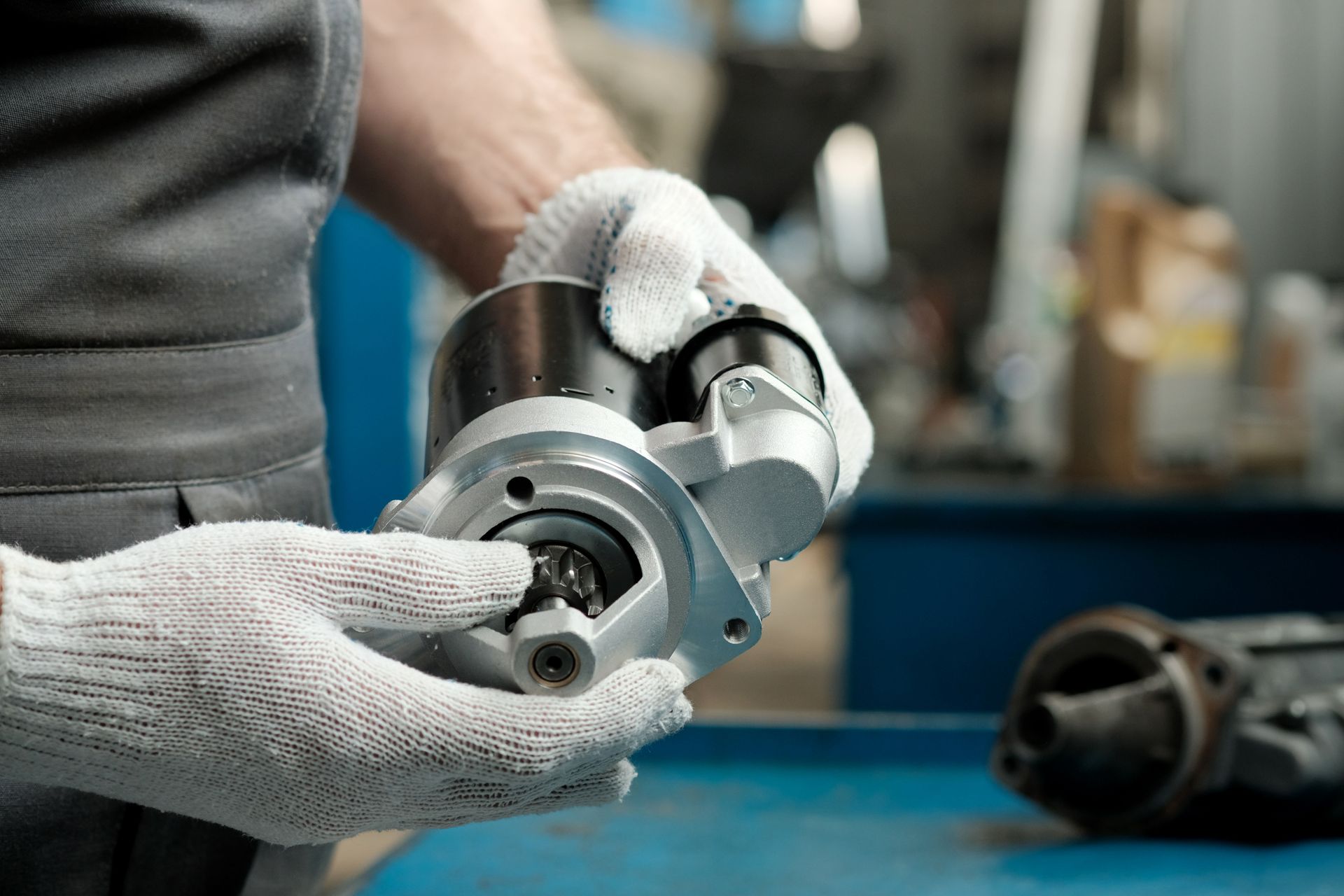
The alternator works harder in summer too because electrical demand is higher. Cooling fans, A/C clutch operation, and constant blower use add load. If the battery light flickers or you notice slow cranking, handle it early, because a charging issue can leave you stuck quickly.
Fluids That Need Extra Attention In Heat
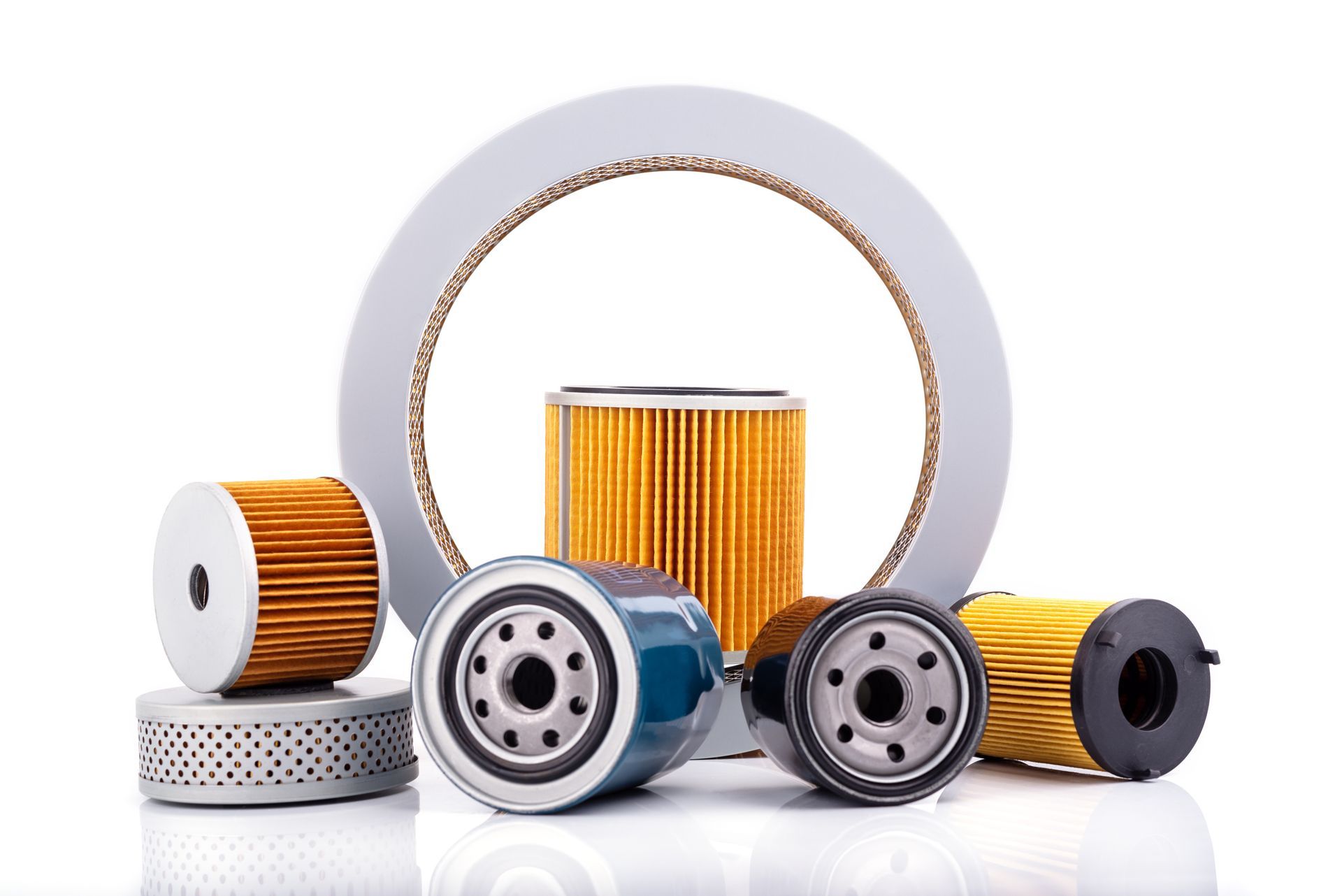
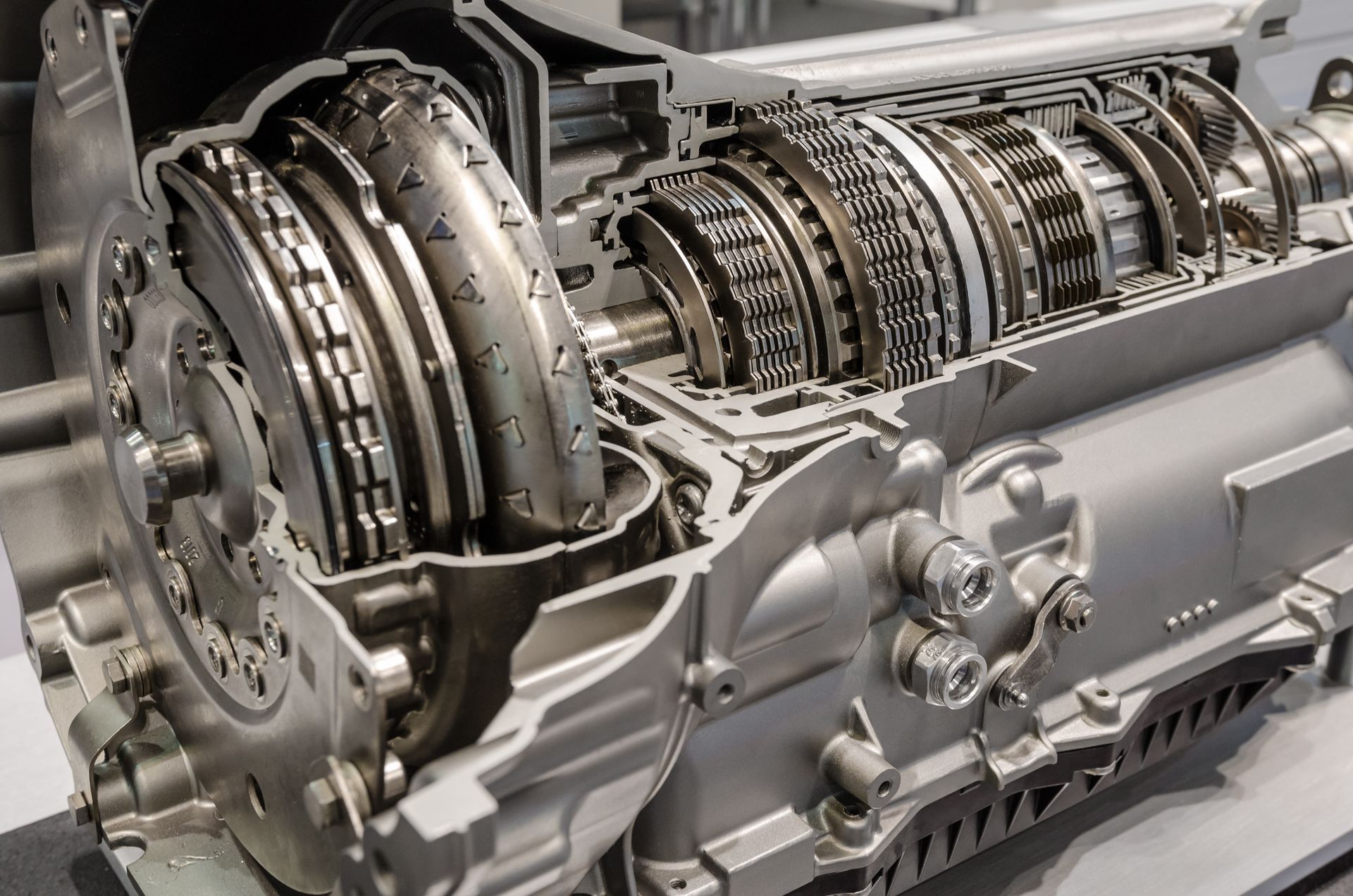
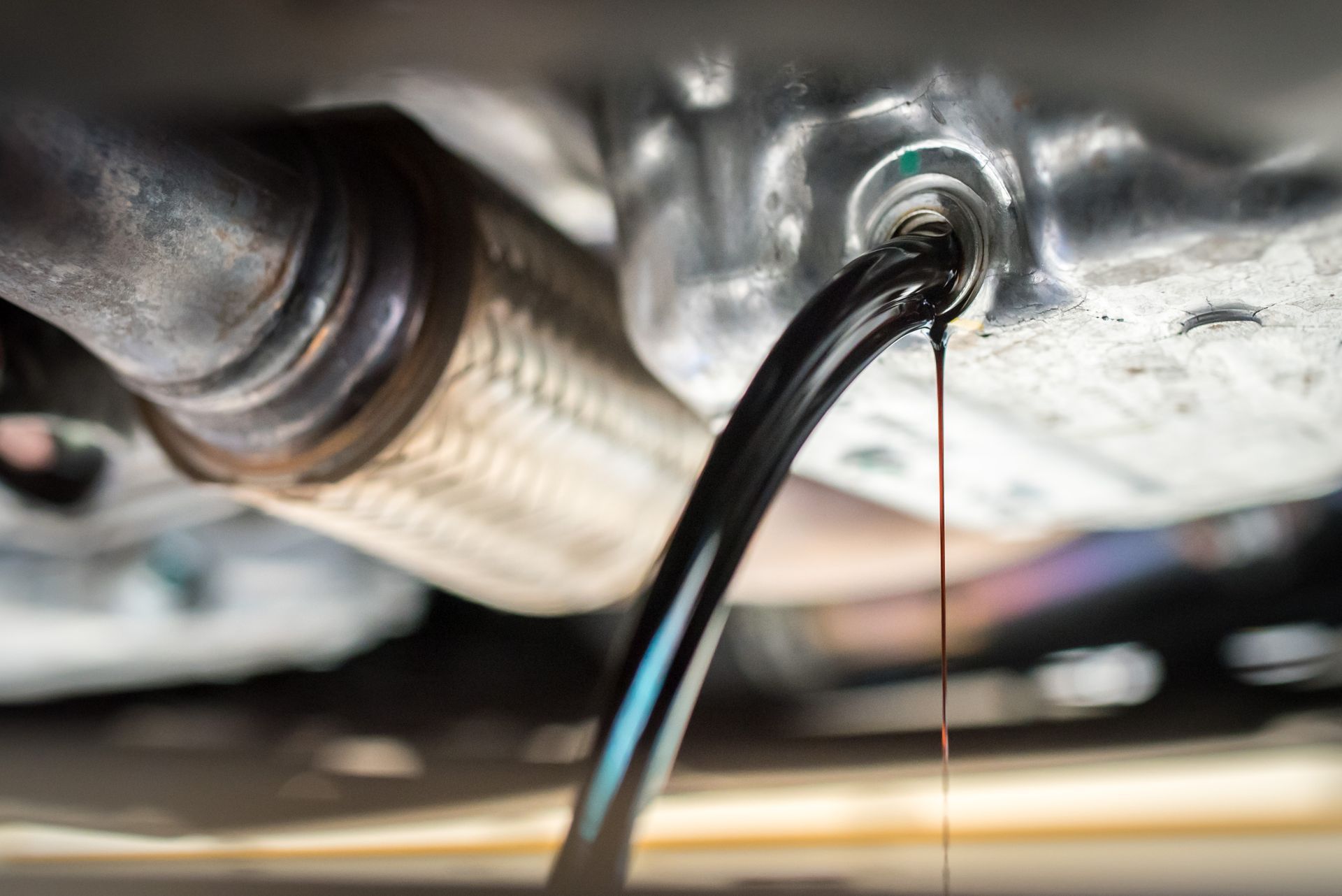
Fluids are your vehicle’s heat management tools. Old engine oil breaks down faster under high temperatures and heavy traffic. Low oil level is also more dangerous in summer because heat and load increase. Coolant is obviously critical, but transmission fluid matters too, especially if you tow or drive in slow traffic.
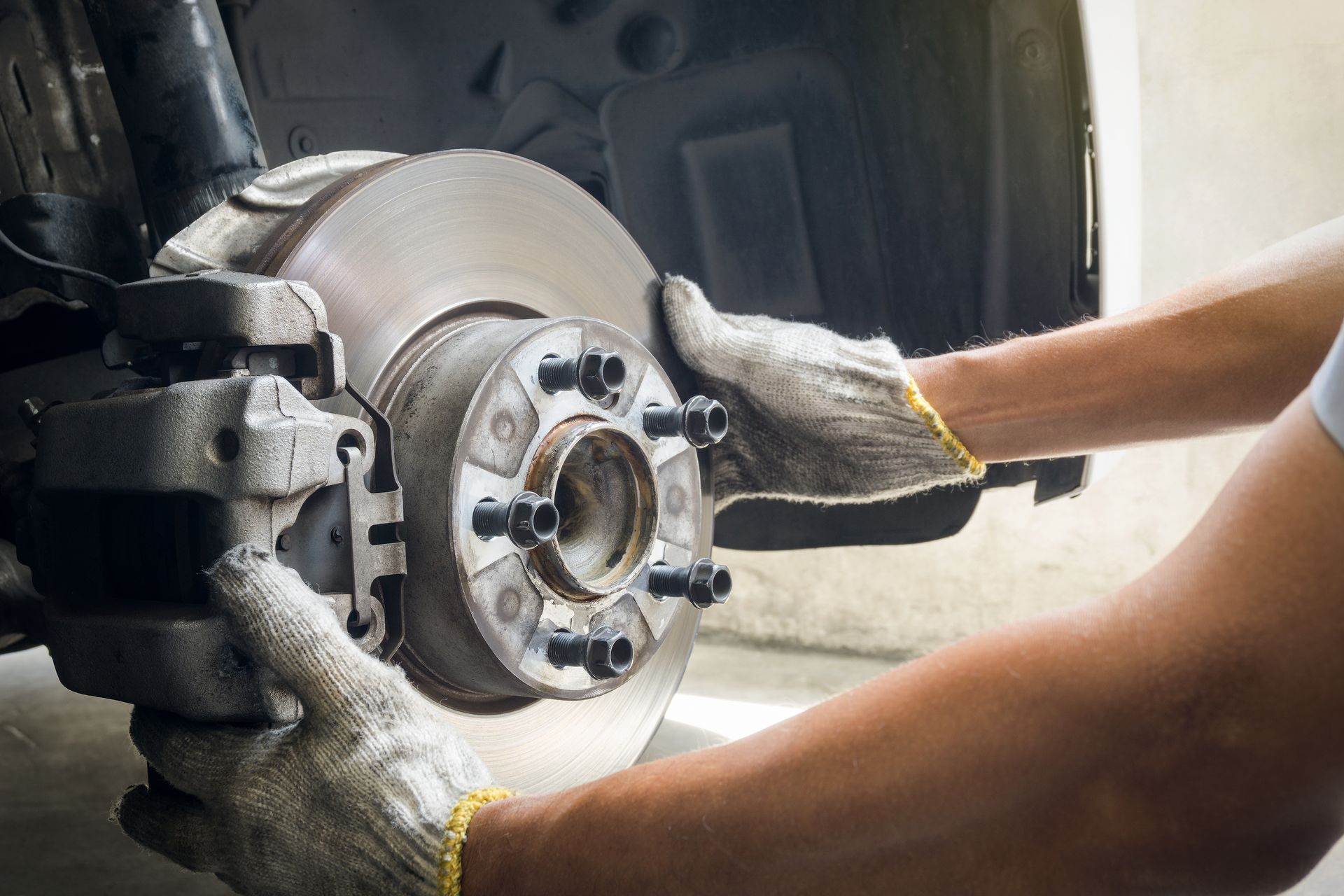
Brake fluid is easy to forget, but it absorbs moisture over time. In high heat, moisture-contaminated fluid can reduce braking consistency on long drives. Power steering fluid also takes heat, especially in parking lots and slow turns, and low fluid can lead to noise and harder steering.
Checking fluid levels is not glamorous, but it prevents the most common summer surprises.
A/C Performance And Airflow Problems
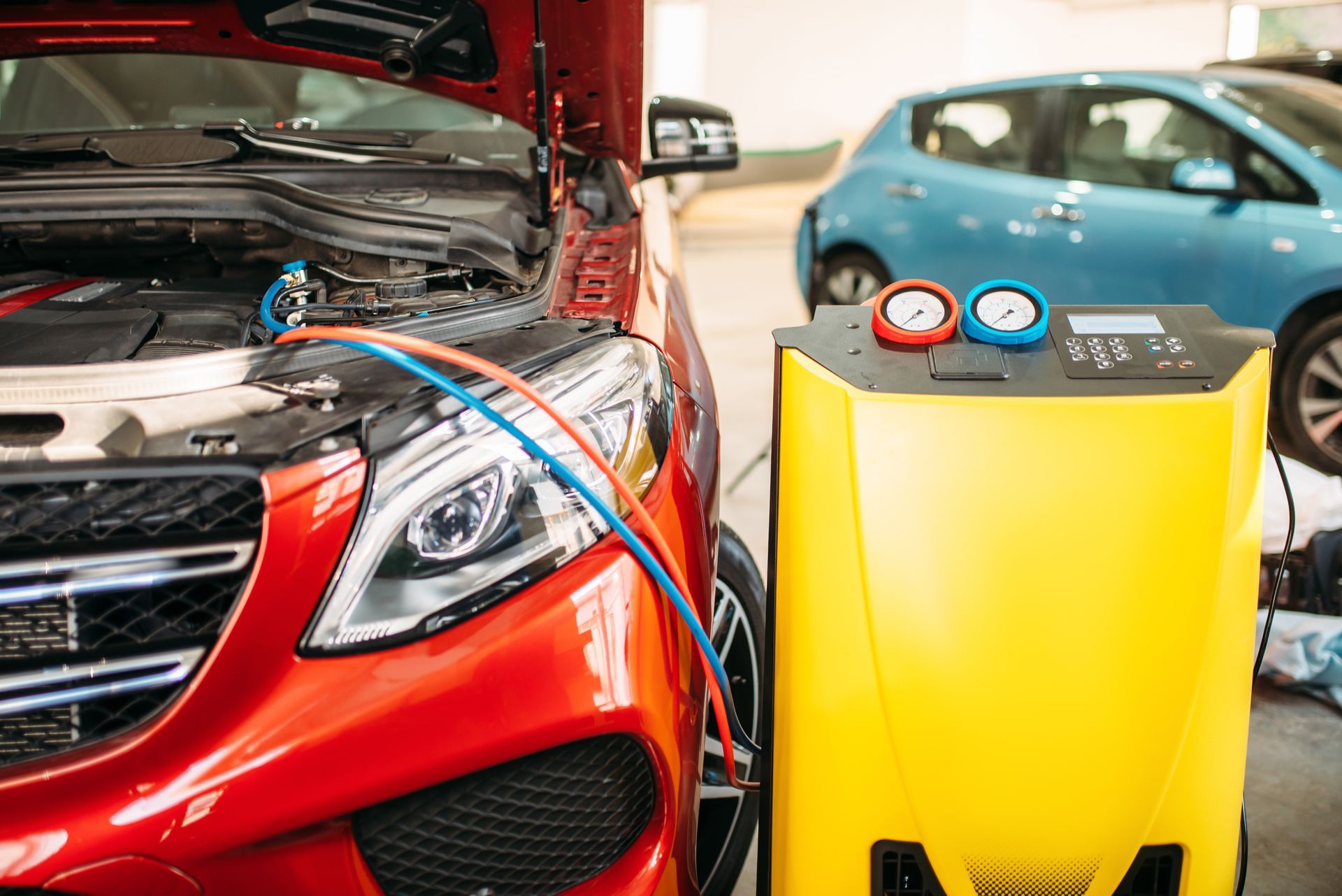
In Florida, A/C is not a luxury. If your A/C takes longer to cool, blows warmer at idle, or has weak airflow, take it seriously before the hottest weeks. A small refrigerant leak can feel fine on a cooler morning and struggle later in the day.
Airflow is also critical. A clogged cabin air filter can make the A/C feel weak even if the system is otherwise healthy. Condenser airflow matters too, since the condenser is trying to dump heat in already-hot air. If cooling is inconsistent, the pattern, such as cold while driving but warm at idle, usually points to where to start.
Owner Habits That Help In Extreme Heat
Heat-friendly habits are mostly common sense. Do not ignore warning lights. Keep an eye on the temperature gauge in traffic. If you smell coolant or burnt oil, do not assume it will go away. If you are taking a long trip, check fluids and tires a few days before, not the morning of.
Also, reduce heat load when you can. Crack the windows briefly when first starting the car to help the cabin cool faster. Keep the radiator and condenser area clean. And if you tow, drive with a little extra margin, because towing in heat is hard on everything.
The goal is to reduce stress on the systems that already work hardest in summer.
Get Summer Breakdown Prevention Service in Sarasota, FL with Dave's Auto Repair
We can inspect your cooling system, battery, and charging system, fluids, and A/C performance so you can head into Florida’s heat with fewer surprises. We’ll explain what we find and help you prioritize what protects reliability the most.
Call or schedule an appointment today.
We’re here to help you avoid heat-related breakdowns before they leave you stuck.