A slipping transmission can make a car feel strangely disconnected from the road. You press the gas, the engine revs, but the vehicle does not respond as it should. Sometimes it catches a second later. Sometimes it feels like the car cannot decide which gear it wants.
That feeling is more than annoying. The transmission is responsible for moving engine power to the wheels in a controlled way. When it slips, hesitates, flares, or drops out of gear, something is keeping that power transfer from staying steady. The sooner the cause is found, the better your chance of avoiding extra heat and wear inside the transmission.
What Transmission Slipping Feels Like
Transmission slipping usually feels like the engine speed rises without matching the vehicle speed. The tachometer may jump higher than normal during acceleration. The car may feel weak, delayed, or like it briefly loses its grip on the gear.
You may notice it when pulling away from a stop, merging onto the highway, climbing a hill, or passing another vehicle. In some cases, the slip is small and quick. In others, the car revs loudly before it finally moves with more force. Either way, that mismatch between rpm and road speed is a key clue.
Low Transmission Fluid Can Cause Slipping
Transmission fluid does several jobs. It lubricates parts, carries heat, helps generate hydraulic pressure, and allows clutches and gears to engage properly. If the fluid level is low, the transmission may not have enough pressure to hold the gear firmly.
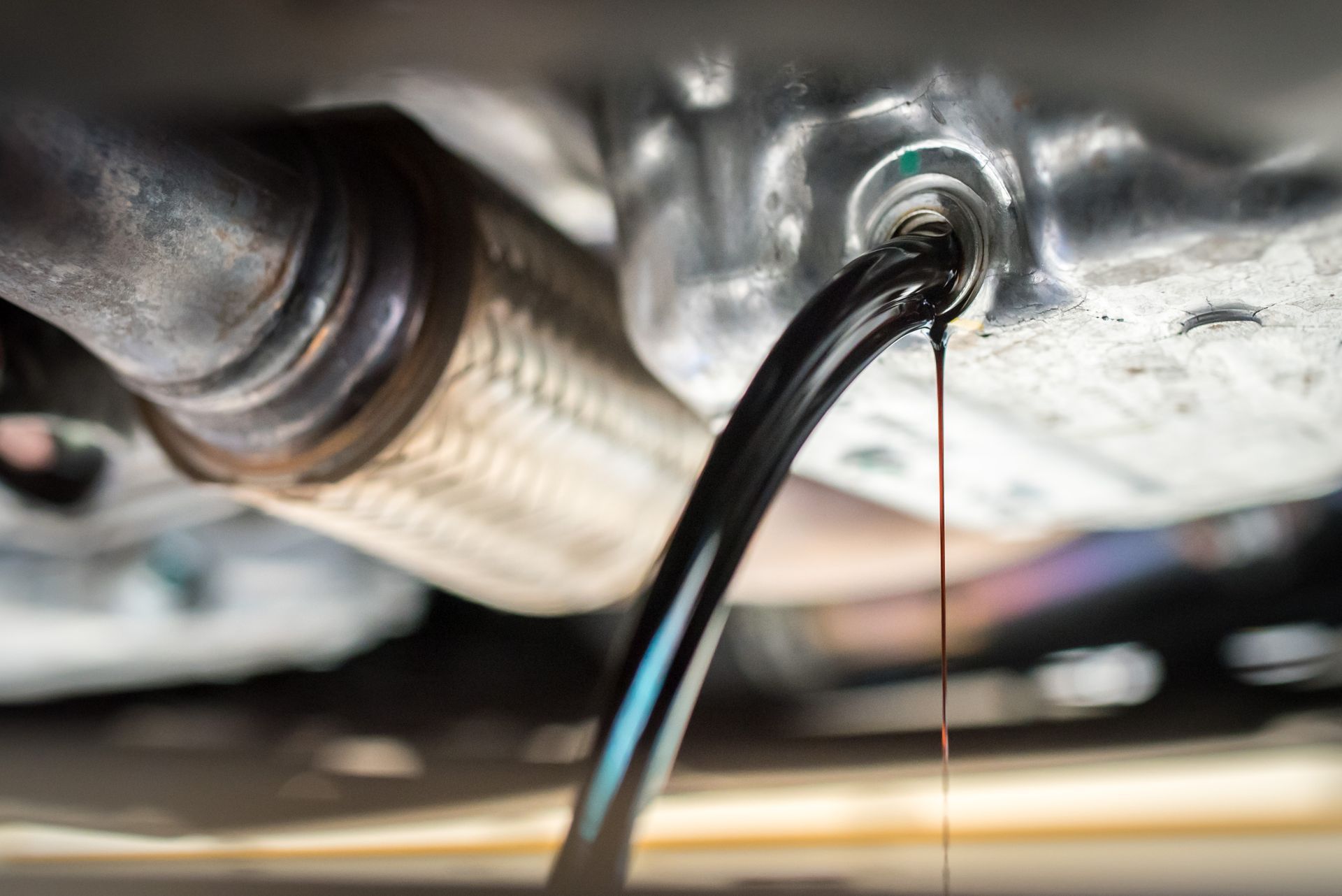
A leak usually causes low fluid. The leak may come from a pan gasket, axle seal, cooler line, case seal, or another connection. Some vehicles do not have an easy dipstick, so checking the fluid requires the right procedure. Adding fluid without confirming the level and type can create more trouble.
Old Or Burnt Fluid Can Lose Protection
Transmission fluid breaks down with heat and age. When it gets old, dark, burnt, or contaminated, it may not control pressure and friction the way it should. That can lead to slipping, shuddering, delayed shifts, or harsh engagement.
A burnt smell is especially important. It can mean the transmission has been running hot or slipping under load. Regular maintenance helps keep fluid condition on schedule, but once slipping starts, the system needs more than a routine service recommendation. It needs testing to find out why the fluid got hot or why the pressure is not holding.
Worn Internal Parts Can Let Gears Slip
Inside an automatic transmission, clutches, bands, seals, valves, and other parts work together to hold gears. As those parts wear, the transmission may lose the ability to apply one gear firmly. That can create slipping, flaring between shifts, or a delay before the vehicle moves.
Internal wear is more likely in higher-mileage vehicles, tow vehicles, or cars driven with low or overheated fluid. The symptom might start in one gear before it spreads. Paying attention to when the slip happens can help the diagnostic process.
Torque Converter Trouble Can Feel Similar
The torque converter connects the engine and transmission in an automatic vehicle. When it starts having trouble, the symptoms can feel like slipping, shuddering, vibration, or a rough feeling during light acceleration.
Torque converter issues can be confused with engine misfires, tire vibration, or transmission gear problems. That is why a road test matters. If the shudder happens at certain speeds or during light throttle, the converter and transmission data should be checked along with the engine.
Electronic Controls Can Affect Shift Quality
Modern transmissions depend on sensors, solenoids, wiring, modules, and software. A bad signal or weak solenoid can affect pressure, timing, and gear engagement. The transmission itself may not be completely worn out, but the controls may not be commanding it correctly.
Warning lights can help, but they do not always tell the full story. A check engine light or transmission warning may store codes related to shift solenoids, gear ratio errors, speed sensors, pressure controls, or temperature. Those codes need to be matched with live data and real driving symptoms.
Why Driving With A Slipping Transmission Is Risky
A slipping transmission creates heat. Heat breaks down fluid, hardens seals, and wears friction parts faster. The longer the slipping continues, the more likely it is that a smaller problem can become a larger internal repair.
If the car starts slipping badly, loses power, smells burnt, or will not stay in gear, avoid pushing it harder. Heavy throttle, high speeds, hills, and stop-and-go traffic can add more heat. A careful inspection can help show whether the issue is fluid level, a leak, a control problem, converter trouble, or internal wear.
Get Transmission Repair In Sarasota, FL, With Dave's Auto Repair
If your car revs without accelerating, slips between gears, shudders, delays before moving, or feels like it cannot stay in gear, Dave's Auto Repair in Sarasota, FL, can inspect the transmission and explain what is causing it.