Your vehicle uses several filters, and they do not all follow the same replacement schedule. Some are changed with every oil service, while others may last tens of thousands of miles. Driving conditions, vehicle design, filter quality, and service history all affect how quickly each one becomes restricted.
Waiting for a filter to become completely clogged can lead to weak airflow, reduced engine performance, difficult starting, or extra strain on connected components. The best approach is to follow the manufacturer’s schedule while also checking filter condition during regular maintenance.
Engine Oil Filters Are Replaced With The Oil
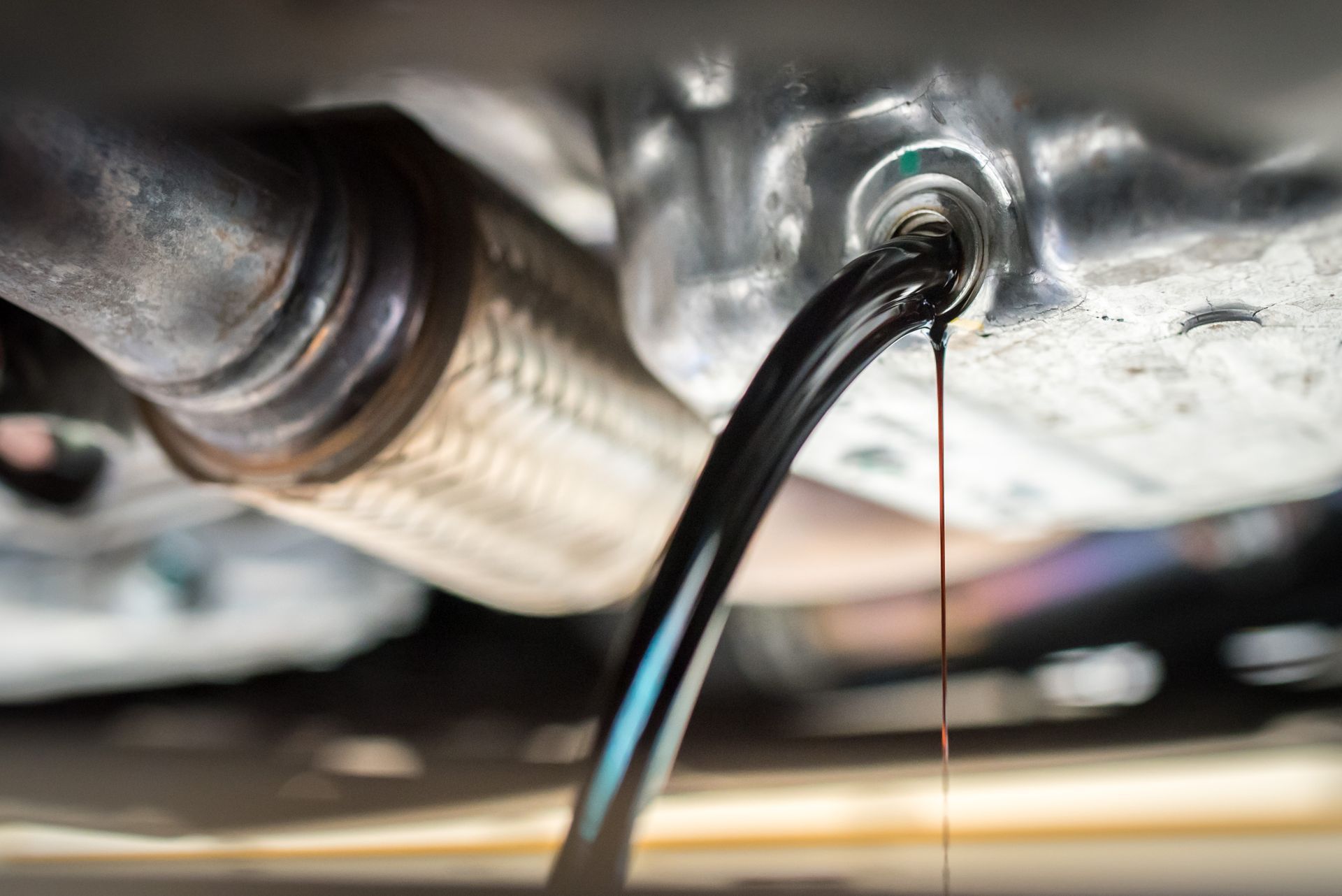
The oil filter removes metal particles, carbon, and other contamination as engine oil circulates through the engine. It should normally be replaced whenever the oil is changed. Installing fresh oil while leaving a dirty filter in place can allow trapped debris to remain in the system.
Oil-change intervals vary based on engine design, oil specification, mileage, and driving habits. Short trips, heavy traffic, towing, and extended idling can contaminate oil faster. The correct filter also needs to meet the engine’s flow and pressure requirements rather than simply fitting the mounting threads.
Engine Air Filters Often Last 15,000 To 30,000 Miles
The engine air filter protects the intake from dust, leaves, insects, sand, and road debris. Many manufacturers recommend replacement somewhere between 15,000 and 30,000 miles, although the exact interval can be shorter or longer depending on the vehicle.
A car driven near construction, dirt roads, or dusty areas may need an air filter sooner. Warning signs can include slower acceleration, unusual intake noise, or a visibly dirty filter. The filter housing and intake seals should also be inspected because a clean filter cannot protect the engine if unfiltered air enters around it.
Cabin Air Filters May Need Replacement Every Year
The cabin air filter cleans air entering the heating and A/C system. A common replacement range is every 12,000 to 20,000 miles or about once a year. Vehicles driven in heavy traffic, humid conditions, or dusty environments may need service sooner.
A restricted cabin filter can reduce airflow from the dashboard vents and make the A/C take longer to cool the interior. Other possible signs include:
- Weak airflow at higher fan speeds
- A musty smell from the vents
- Windows that take longer to defog
- Visible leaves or debris in the filter
- A blower motor that sounds louder than before
Replacing the filter can restore airflow when restriction is the cause. Weak vent output can also involve a blower motor, evaporator, air door, or electrical problem, so persistent symptoms deserve further testing.
Fuel Filter Intervals Depend On The Vehicle
Fuel filters protect pumps and injectors from rust, dirt, and tank contamination. Older gasoline vehicles may have a replaceable external filter with a service interval between 30,000 and 60,000 miles. Many newer gasoline vehicles place the filter inside the fuel tank, where it may not have a separate scheduled replacement interval.
Diesel engines often require more frequent fuel filter service because their high-pressure fuel systems are sensitive to contamination and water. A restricted filter can cause longer cranking, hesitation, weak acceleration, stalling, or loss of power under load. The correct interval should come from the service information for the specific engine.
Transmission Filters Follow Specific Service Procedures
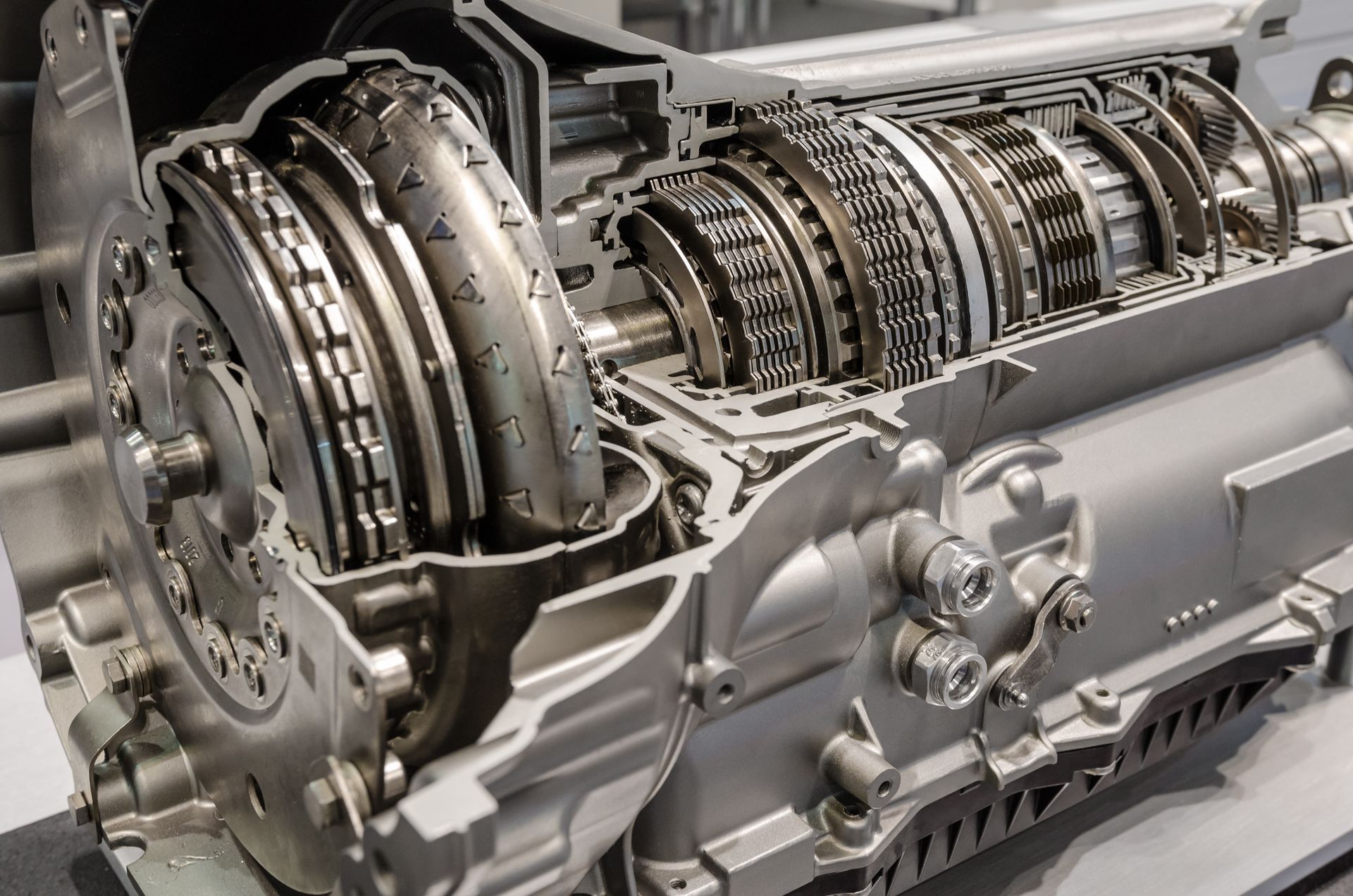
Some automatic transmissions use a replaceable filter inside the fluid pan, while others use a screen or internal filter that is not routinely serviced. Replacement timing may range from 30,000 miles to much longer, depending on the transmission and driving conditions.
Transmission service should follow the correct fluid specification, temperature procedure, and filter design. A filter should not be replaced based on a universal mileage rule. Delayed engagement, slipping, harsh shifts, or burnt fluid require diagnosis because a filter change will not repair internal clutch wear or a pressure-control problem.
Filters Can Need Service Before The Scheduled Mileage
Mileage is only one factor. A filter may become restricted sooner because of road dust, water intrusion, heavy traffic, long idle time, or contamination inside the system. Age also affects filters on vehicles that are driven infrequently.
Service records help show when each filter was last replaced. If that information is unavailable, a technician can examine accessible filters and compare their condition with the vehicle’s mileage and use. Replacing every filter automatically may waste money, but ignoring them for years can create avoidable performance concerns.
Signs A Filter May Be Overdue
Different filters create different symptoms, but several changes can suggest that filtration service is needed.
- Reduced engine power
- Longer starting time
- Weak A/C or heater airflow
- Musty cabin odors
- Lower fuel economy
- Hesitation during acceleration
- Dark or damaged filter material
- Unknown service history
These signs do not confirm a clogged filter by themselves. Ignition problems, fuel pump wear, intake leaks, sensor faults, and climate control concerns can create similar symptoms. Checking the filter is one step in finding the actual cause.
Get Car Filter Replacement In Sarasota, FL, With Dave's Auto Repair
Dave's Auto Repair in Sarasota, FL, can check your engine air filter, cabin filter, oil filter, fuel filter, and other serviceable filtration components.