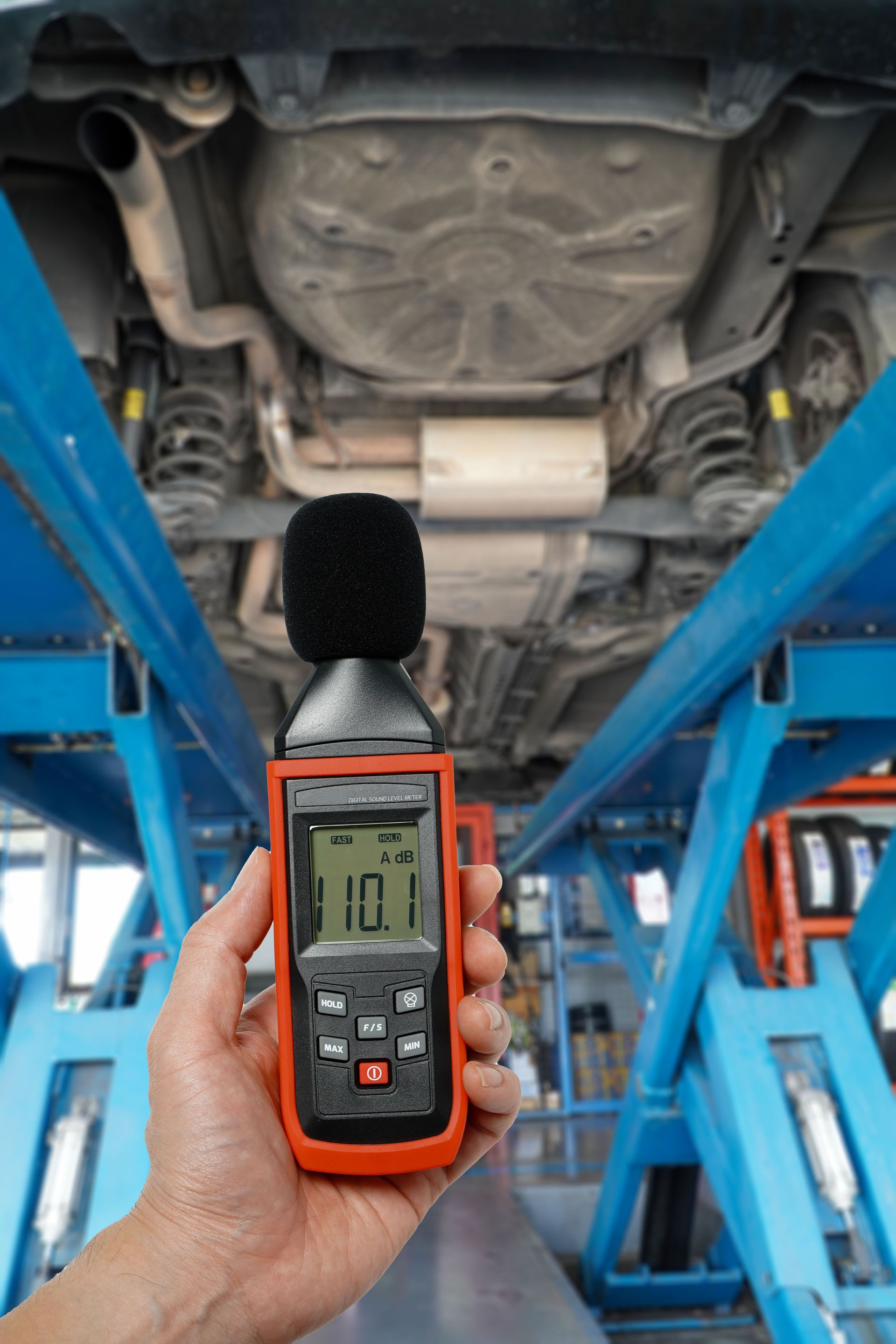
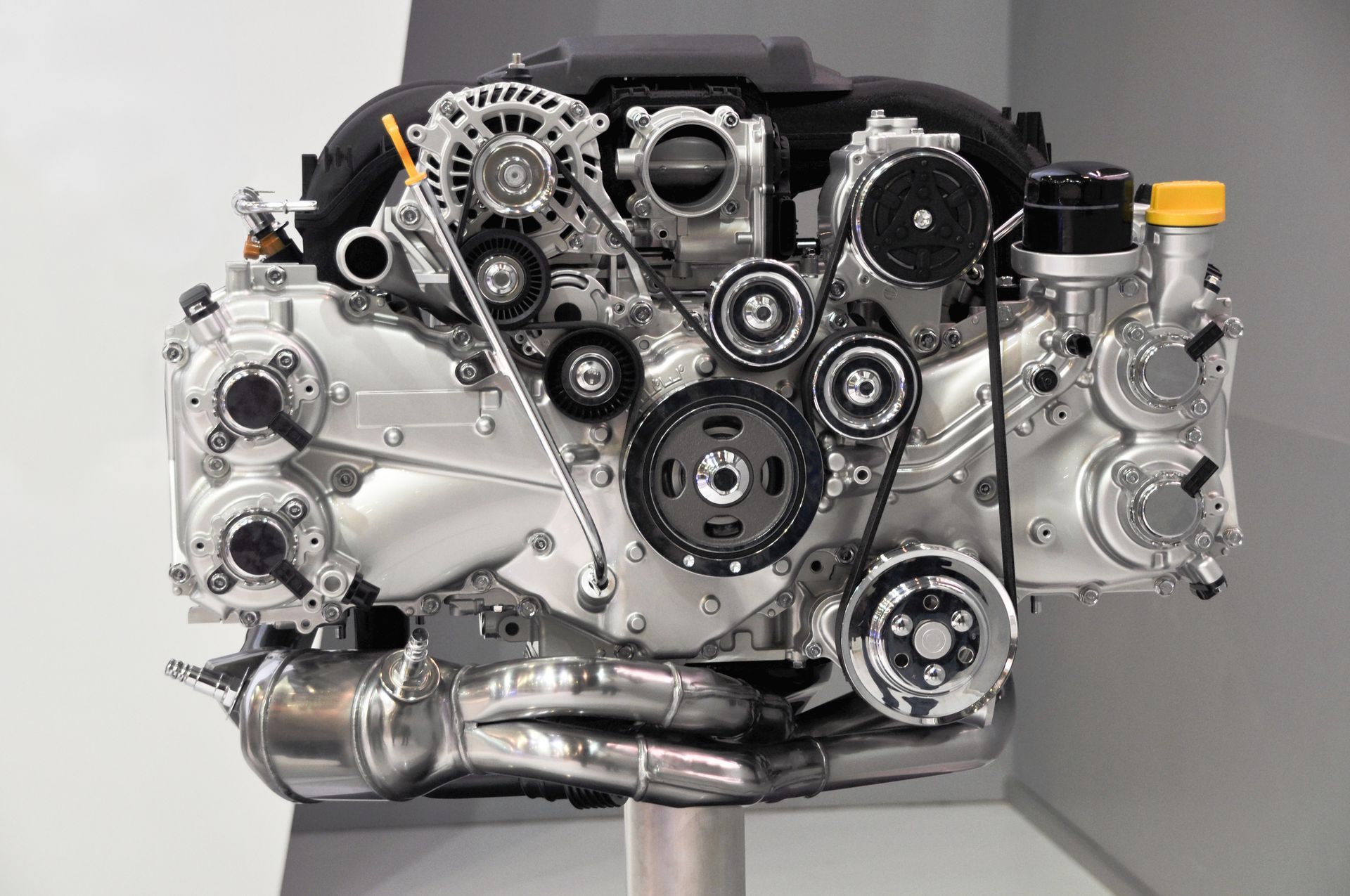
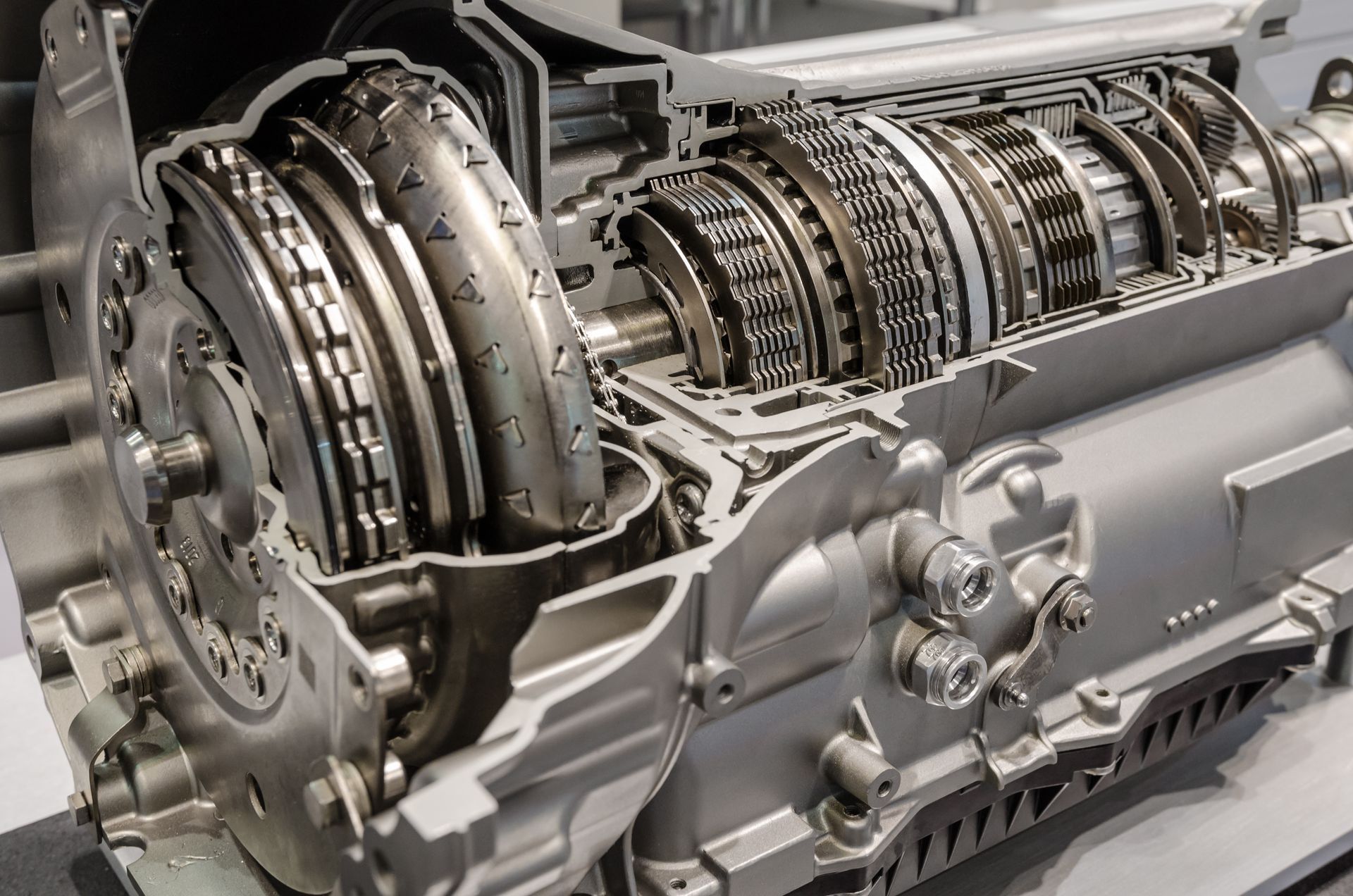
The check engine light comes on, but the car still gets you to work. After a few normal trips, the warning starts blending into the dashboard. Whether continued driving causes damage depends on what triggered it, and you can't judge that from the lamp alone.
Some faults affect emissions without changing how the engine feels. Others point to combustion, temperature, or fuel-control problems that can keep damaging the car while it runs. The warning's behavior and the symptoms beside it determine the next step.
A Misfire Sends Unburned Fuel Toward the Catalytic Converter
When a cylinder fails to burn its mixture correctly, some fuel reaches the exhaust. The catalytic converter then has to handle combustion and heat it wasn't meant to endure continuously. A severe misfire can overheat and damage the converter, adding an exhaust repair to the original running problem.
A flashing check engine light with shaking, hesitation, or reduced power calls for a safe stop and assistance. Don't keep accelerating to see whether it clears. Worn plugs or a failed coil are possible causes, but you should also consider injector, wiring, and compression faults. The failed cylinder needs testing before parts are selected.
Excess Fuel Can Dilute the Engine Oil
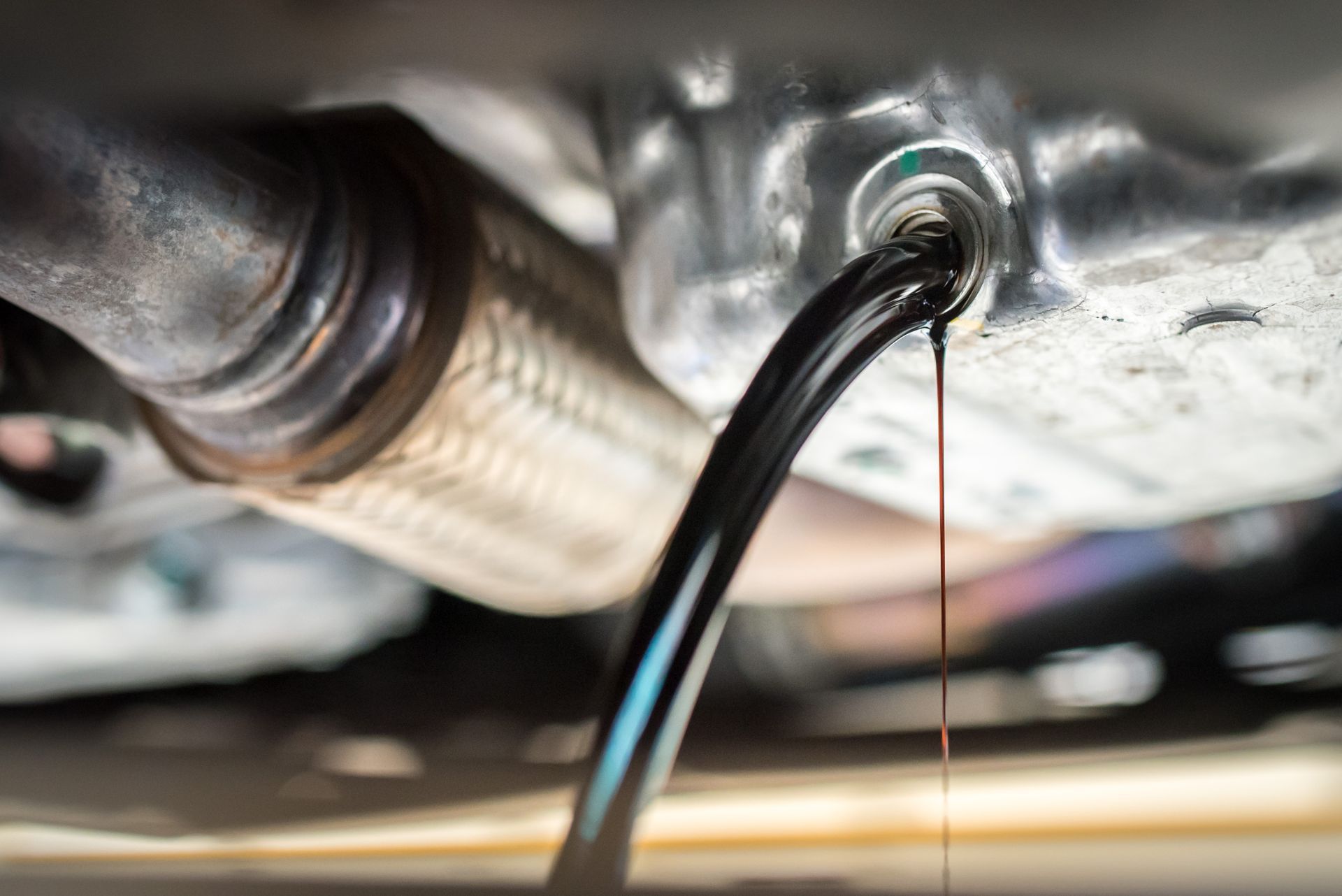
A leaking injector or another rich-running fault may put excessive fuel into a cylinder. Some of that fuel can reach the crankcase and dilute the oil. The lubricant then loses part of the protection its viscosity and formulation were designed to provide.
Hard starting, rough running, unusual exhaust, or an oil level that rises unexpectedly adds context to the inspection. The source needs repair, and the oil condition may require service afterward. Changing the oil alone won't stop an injector that continues leaking fuel into the engine.
Lean Running Under Load Needs Its Cause Found
An intake leak, weak fuel supply, or incorrect sensor information can move combustion away from the expected operating range. How serious it becomes depends on the engine, operating conditions, and how the controls respond. A mild intake leak at idle presents a different risk from inadequate fuel delivery during heavy turbocharged load.
Testing compares fuel corrections, measured airflow, fuel pressure where required, and the conditions that stored the fault. Avoid towing, hard acceleration, or another high-load test when the engine is struggling. The answer is to find why the mixture is wrong before continuing to ask for full power.
Timing Faults Sometimes Involve More Than a Sensor
A timing-related code may involve an electrical signal, oil-controlled valve timing, or mechanical timing position. A damaged connector and a worn timing-chain arrangement need very different repairs. New rattling, poor starting, or a sudden performance change makes that distinction more urgent.
On an engine with mechanical timing trouble, continued operation risks worsening wear or, in some designs, contact between valves and pistons. The code alone doesn't establish that damage is occurring. The accompanying noise and timing measurements guide the check, and severe mechanical symptoms call for stopping rather than driving until the next convenient appointment.
Temperature Problems Can Affect the Engine Before You Expect
A temperature-sensor fault or cooling-related operating problem sometimes appears in engine fault information. The check engine lamp isn't a substitute for the separate temperature gauge or overheating warning. If the engine overheats, stop safely and shut it off.
Overheating can distort metal, damage head-gasket sealing, and degrade lubrication. Fresh coolant or a cleared code won't undo damage already caused. Review the original cooling fault and any effects of the overheating event together. Never open a hot pressurized cap while trying to check the level.
A Steady Check Engine Light Still Needs a Clear Plan
When arranging testing, describe:
- Whether the light is steady or flashing
- Any shaking, noise, smell, or power loss
- Whether the problem happens cold or warm
- Recent refueling, repairs, or battery work
- Any coolant or oil loss
An EVAP leak may let the engine run normally, so a steady light shouldn't automatically mean immediate engine failure. It still needs checking. The owner's manual and the specific fault help determine whether the car should be transported, used only with limited guidance, or scheduled for prompt service.
Clearing the Check Engine Light Removes Information
Stored codes and recorded operating conditions help the technician understand what happened. Disconnecting the battery or repeatedly erasing the warning may remove that history without changing the fault. Keep any earlier scan results and repair invoices if the warning has already been investigated.
A code scanner identifies the detected condition. Testing connects that condition to a failed part or mechanical problem. The estimate should explain the finding and any existing damage, including why another service is needed after the cause is repaired.
Get Check Engine Light Testing in Sarasota, FL, With Dave's Auto Repair
Dave's Auto Repair in Sarasota, FL, will review the check engine warnings, misfires, and changes in engine performance. Describe how the car runs before deciding whether to drive it to the appointment.
Contact us to arrange check engine light testing and discuss the next step for your vehicle.